When students started using ChatGPT non-stop over the past two years, Jake Effoduh was one of the few professors at the Lincoln Alexander School of Law who supported their hard lean into large language models (LLMs), saying, “Sure, go ahead and play with it, figure it out!”
He goes on to say, “It’s not about telling students if they should use AI or not. It's about equipping students to know what it is, and to decide when and how to use it.”
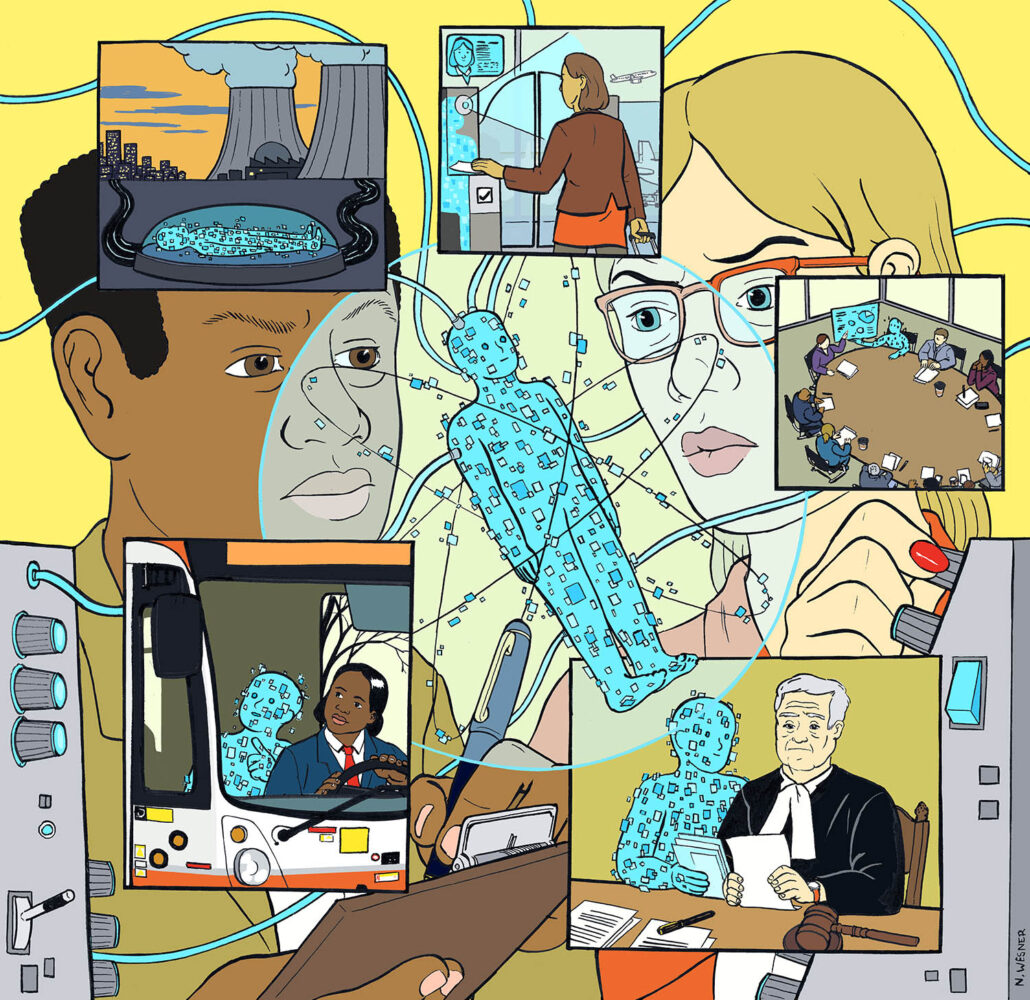
Effoduh’s course, Data Science Law (also known as Critical Approaches to Data, Algorithms, and Science in the Law), is all about how AI is changing our lives and jobs.
He believes in empowering his students to find new solutions to everyday issues.
Real-world effects of AI
In fact, he gets them out of the classroom to see the real-world effects of AI and the prompts they use, like how they're influencing the environment.
Later this year, he plans to take his students on a field trip to an Ontario community where water levels have receded due to the data centres’ heavy consumption of water to cool its servers.
“AI is reshaping our rights, our standards of equity and justice, and I want to equip future lawyers with techno-legal literacy, so that, beyond the speed and efficiency of using tech, they can also use it to advance justice,” Effoduh said.
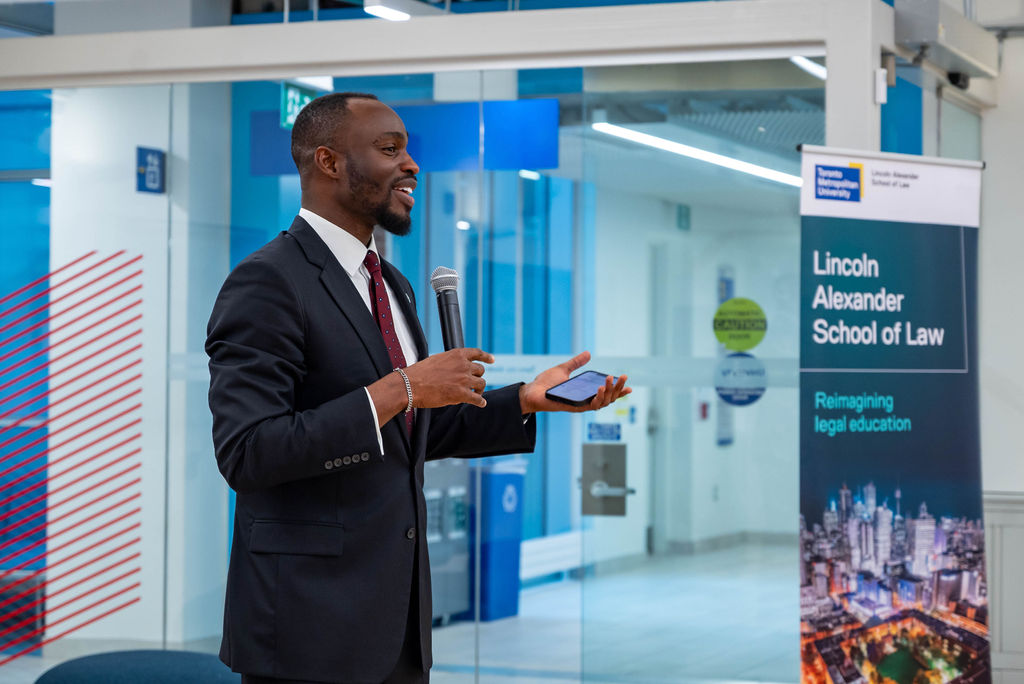
Jake Effoduh, a professor at TMU's Lincoln Alexander School of Law, teaches students to approach AI critically. He’s examining its technical capabilities, but also its real-world impacts on privacy, equity and justice. (Photo courtesy of Kristy Adeyemi)