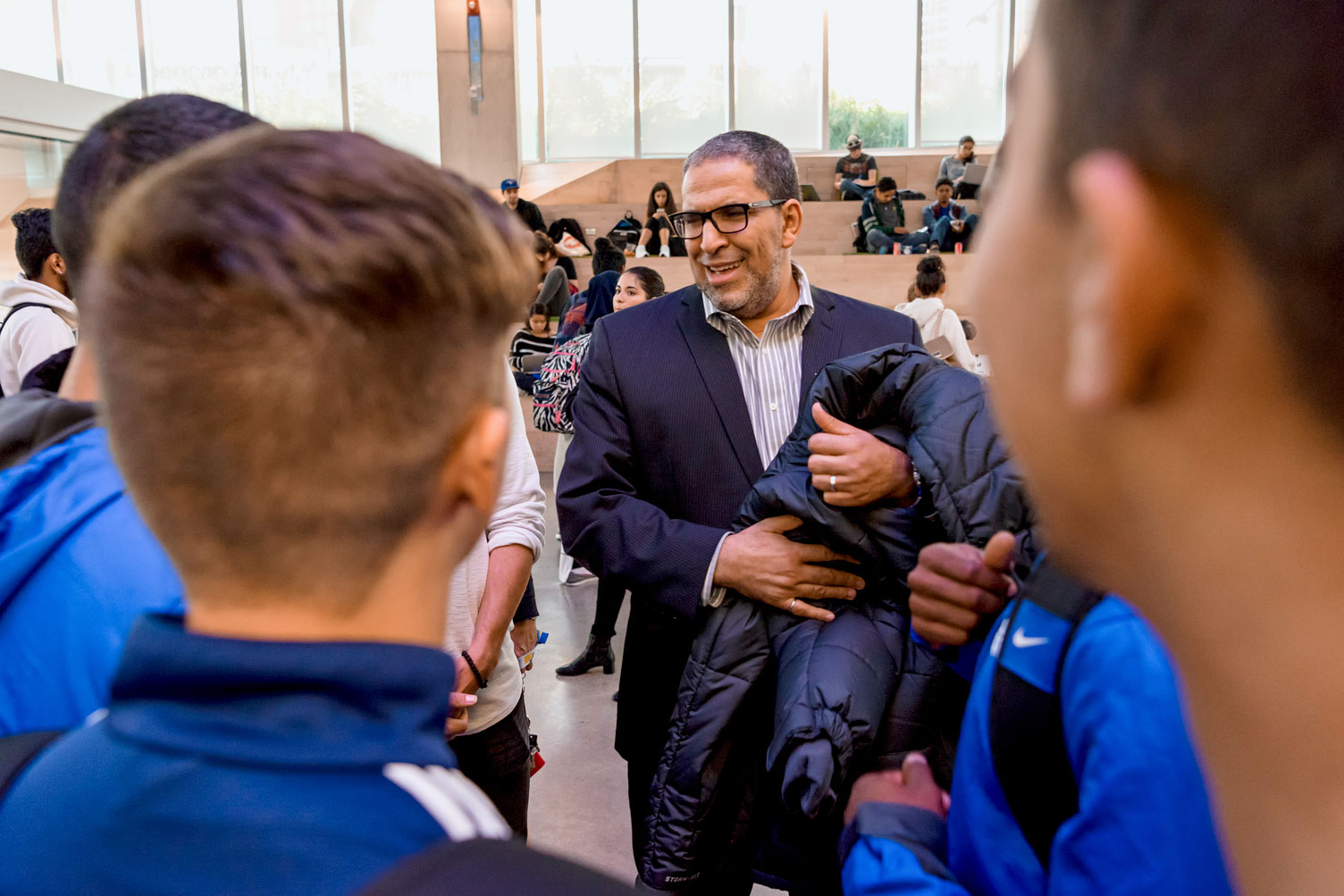
To understand Mohamed Lachemi’s lifelong dedication to building a university for everyone is to recognize how unlikely an education seemed for him as a young boy.
Born in a remote Algerian village to parents with no formal schooling, the path to higher education felt impossibly distant. Everything changed with a scholarship to study engineering in Algeria—and another that carried him to Canada.
Those opportunities didn’t just alter his trajectory but defined his purpose.
“It was almost impossible for me to be where I am today based on my own story,” Lachemi explains. “My whole educational journey was about access made possible by others. They believed in me and, therefore, it’s important to me to make it easier for the next generation.”
His drive to create what he calls a “university for people” became the engine that fuelled a career dedicated to possibility.
It’s rooted in a conviction that education can transform lives, that universities can expand who gets to belong and that those who are given opportunity can, in turn, reshape the world.
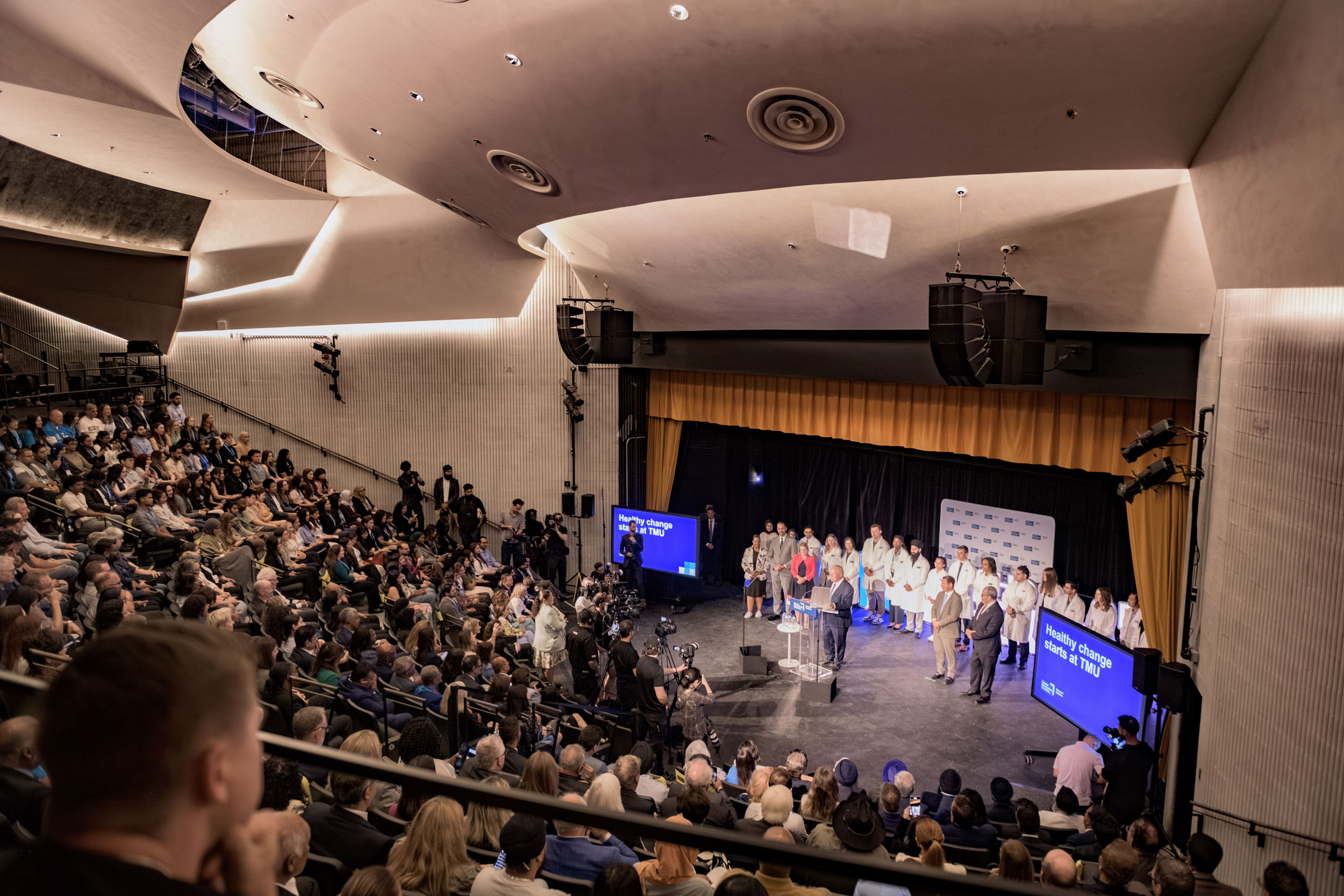
Now, at 63, as he transitions out of the presidency, Lachemi has built a stronger, more influential university that has expanded its reach and impact within Canada’s largest city and beyond. Under his leadership, TMU established landmark programs including new law and medical schools, solidifying its position as a leading force in higher education—an institution that solves the world’s challenges, while staying true to its mission of access.
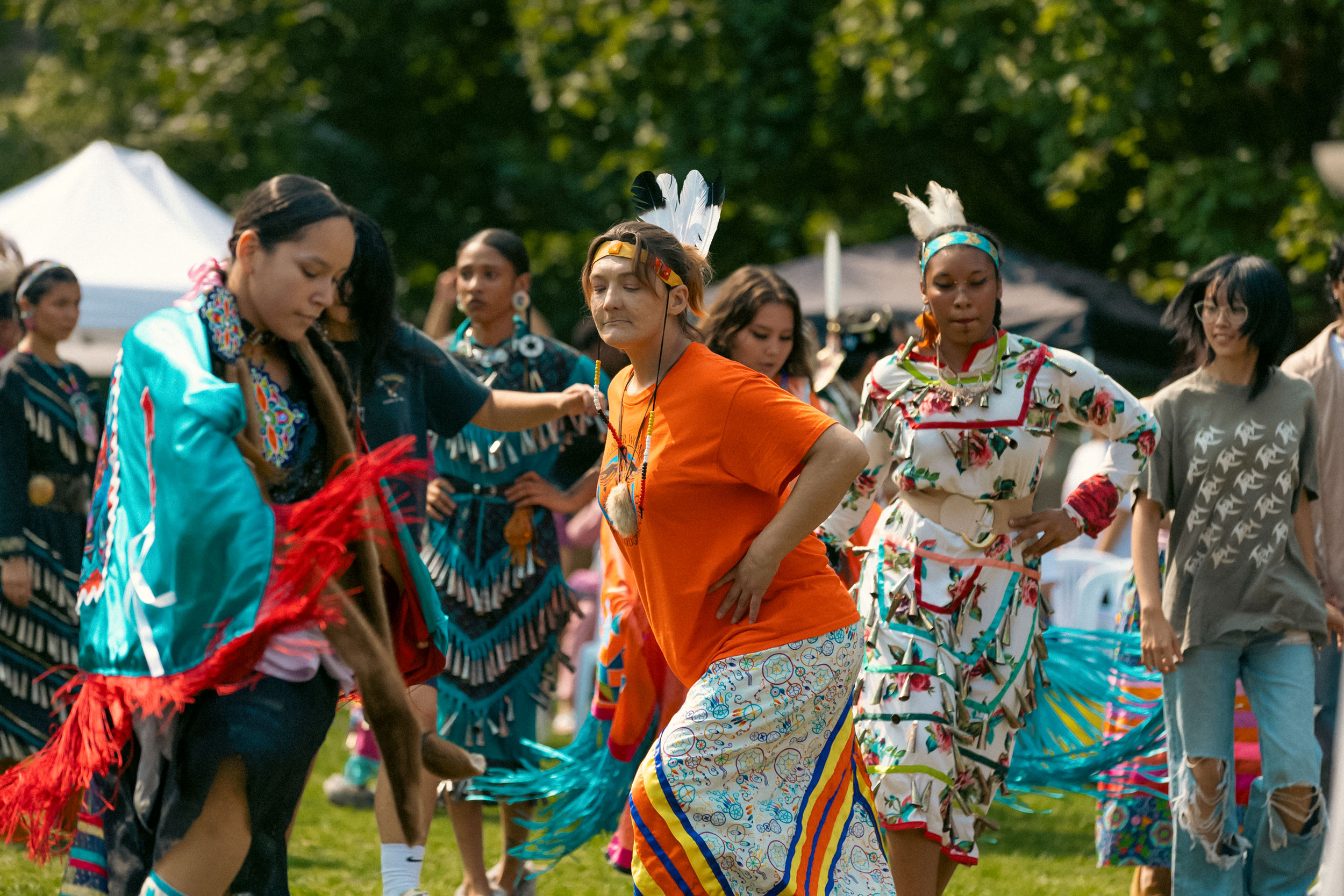
TMU is a university for people who, like Lachemi, are the first in their family to attend. For newcomers whose families risked everything to give their kids an education. For students who could not afford university without financial help. For equity-deserving communities looking for a place they can belong. It’s a place for everyone who sees education as a catalyst for making a difference.
Lachemi leaves a legacy of opened doors for generations of students who will continue to see themselves in the promise he fought to make possible. TMU is a place for learning and opportunity for students who reflect back the diversity on which the Greater Toronto Area was built.
“He believes that talent is everywhere, but that opportunity isn’t evenly distributed,” says Roberta Iannacito-Provenzano, TMU’s current provost and vice-president, academic, and president-designate. “But inclusivity is never framed as lowering standards. It’s about removing barriers and structures so that excellence can surface. This is part of his philosophy: you need to give people a chance so that they can make positive change.”
Thinking — and acting — big
Iannacito-Provenzano says Lachemi is one of Canada's big thinkers of his time. In her view, he understood early that an educated workforce would move his adopted city and the country forward, and that expanding access to education was inseparable from that goal.
If he wanted to give more students an opportunity, he'd need to grow the university's physical footprint and broaden who it served.
The initiatives that followed were the practical expression of that conviction. He was working to bring more people to the table long before inclusion came into stronger focus.
The initiatives he championed, the structures he built and the culture he fostered are now woven into the fabric of how TMU operates and how students experience the university.
What he built isn't a conclusion but a foundation. "He repositioned TMU as a confident, open-to-the-world, urban, comprehensive, ambitious and bold university," Iannacito-Provenzano says. "He moved the university from a place of aspiration—'this is what I think we should do'—to execution. He has created an institution that expects to lead. In that, and so many other things, he has really delivered."
Starting on day one
Lachemi's vision for a progressive and inclusive TMU developed as his own career evolved.
Joining as a professor of civil engineering in the late '90s, he was drawn to the institution in part by the chance to build something from the ground up. At that time, the institution didn't have a solid research agenda or graduate students, which he saw as an opportunity to contribute.
"He believes that talent is everywhere, but that opportunity isn't evenly distributed." - Roberta Iannacito-Provenzano
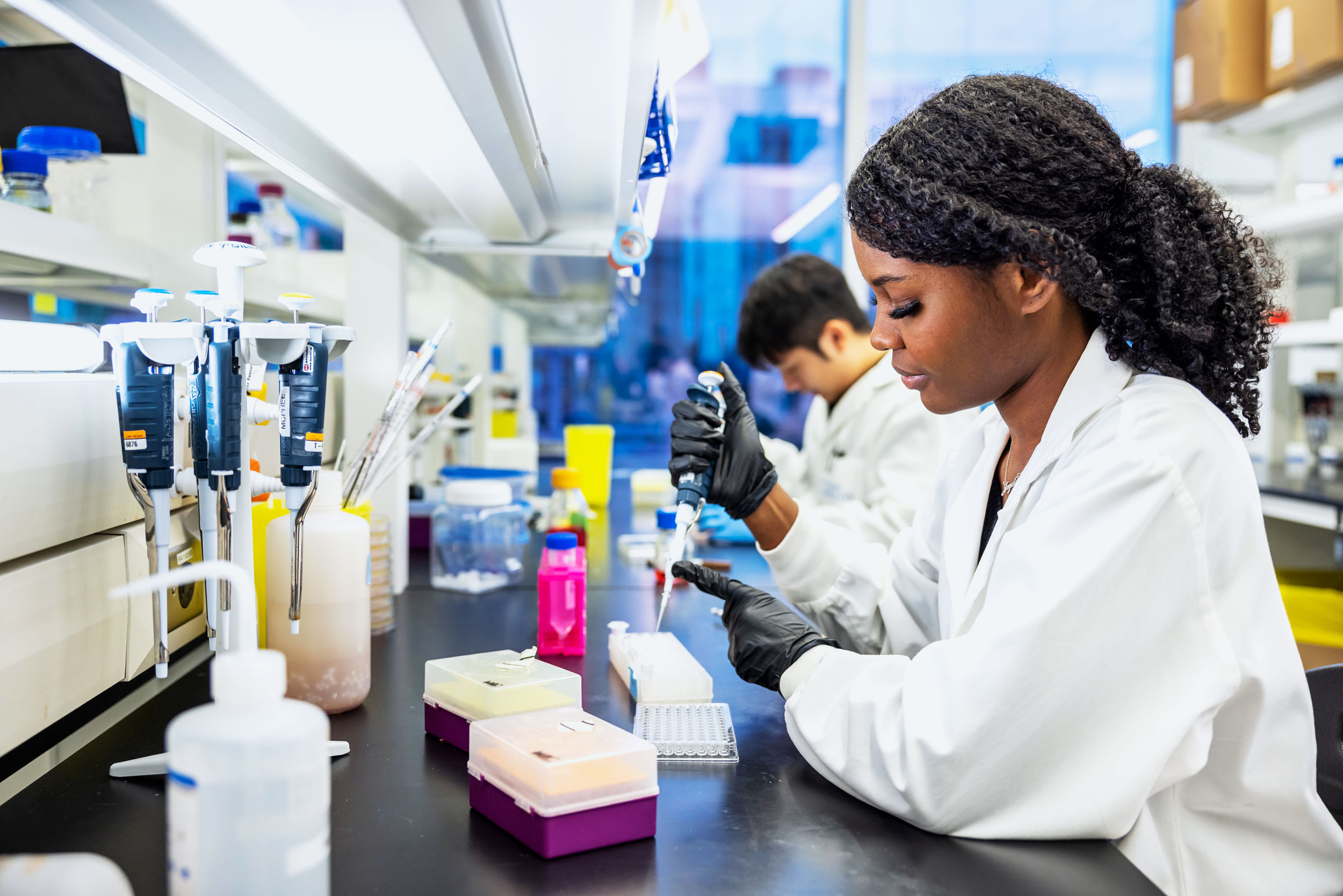
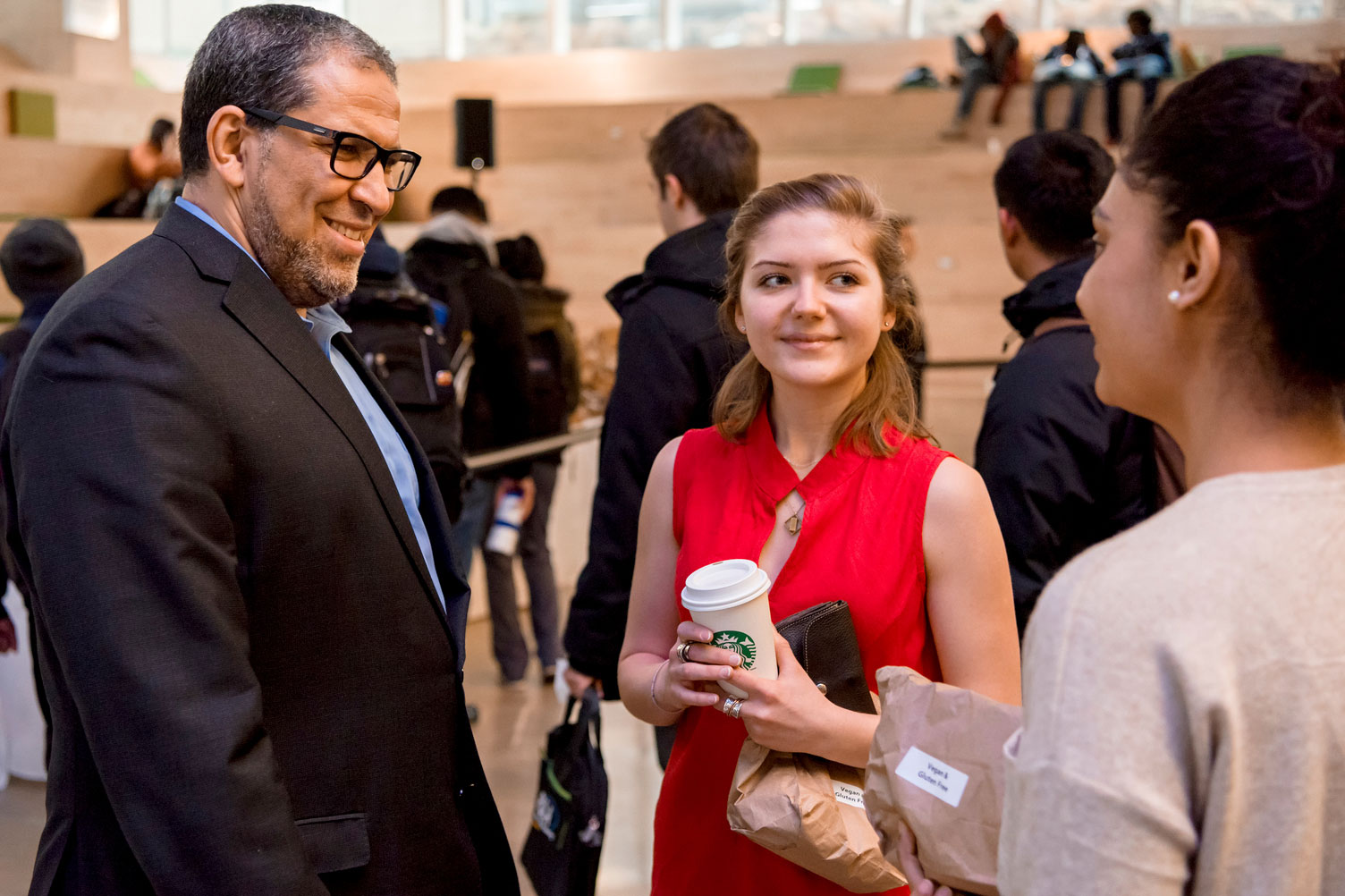
Building a research culture from the ground up was among Lachemi’s earliest and most enduring ambitions. Photo: Jesse Milns