
Preventable if caught earlier.
These four words surface quickly for Dr. Mehry Kianfar when she speaks about her patients.
In the classroom, Kianfar draws on the real experiences of those she sees in her practice to create a fictional case study that reflects a pattern she says is both common and concerning.
In this example, a young international student arrived at her clinic with abnormal bleeding. She was living alone in a new country, juggling a job while attending school full time. She did not have a family doctor and therefore lacked access to preventive care.
With no time for her own health, the student missed routine cancer screenings. By the time she sought care, her condition had advanced. Tests revealed cervical cancer requiring a hysterectomy.
“This was a patient who fell through the cracks,” says Kianfar, who has practised family medicine in Brampton, one of Canada’s most diverse cities, for 15 years.
She presents cases like this to underscore a critical reality: Real patients whose circumstances and barriers point to the critical importance of health-care access.
That lesson hits home for many across Canada, including some first-year students at TMU’s new School of Medicine. Many have had to navigate health care system challenges. They know the impact of access to effective care.
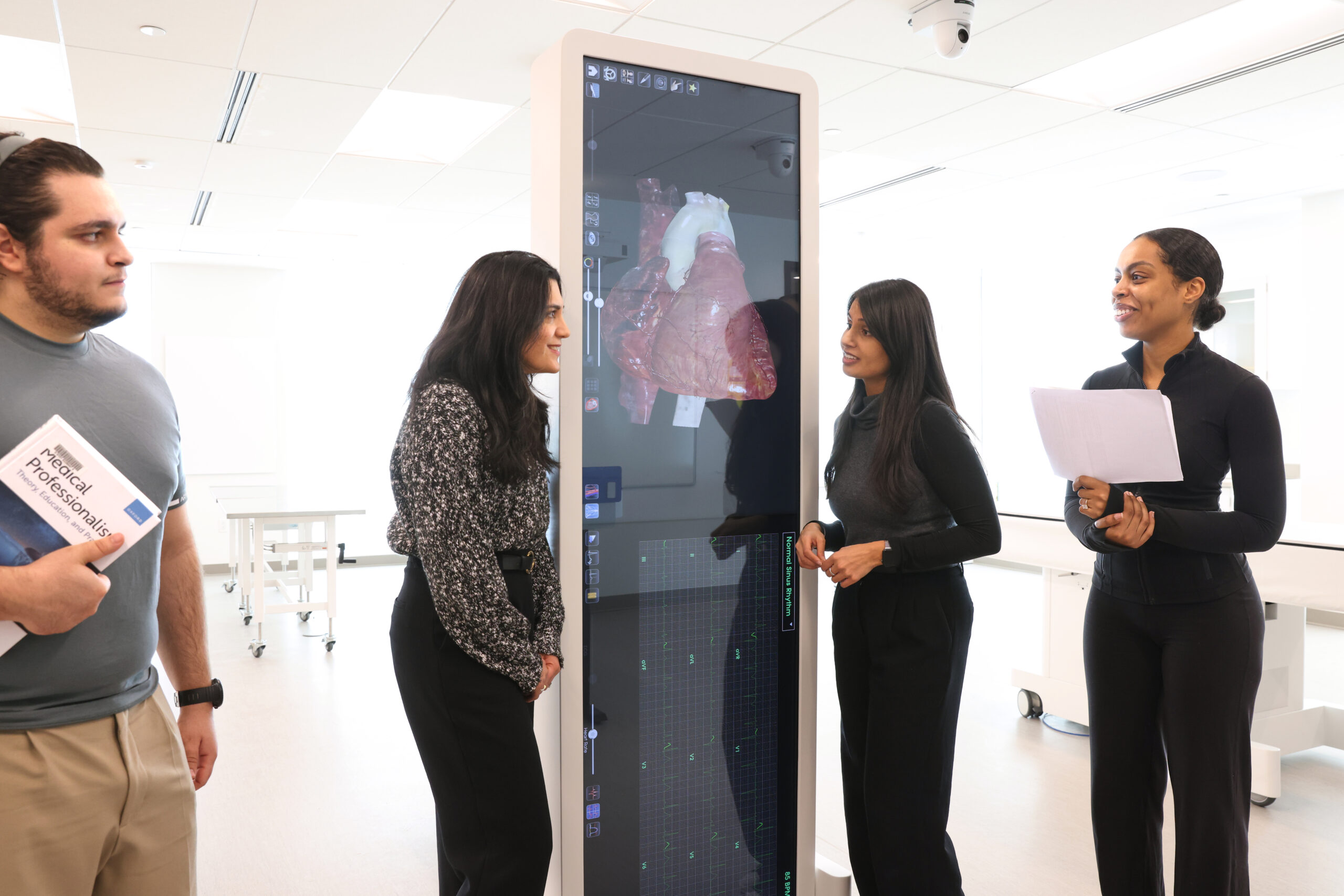
TMU medical students have started their rigorous studies in sciences and clinical medicine. But they’re also learning something different. They’re building a fundamental understanding of the health care system – its weak points and ways to strengthen it – in the Health Systems Science (HSS), a required series of courses that spans the entire four-year undergraduate curriculum.
A new approach to medical education
Kianfar is the associate director of curriculum for health systems sciences and assistant clinical professor at the TMU School of Medicine. She has also worked with William Osler Health System as a family physician for the last thirteen years. William Osler Health System is TMU School of Medicine’s primary clinical partner.
In HSS, students work through diagnostic scenarios like this one to develop clinical curiosity, and foster understanding of patient-doctor relationships. It also gives them a broader perspective of the health-care system overall.
The goal is to prepare physicians to take a holistic approach to health care and empower them to act as leaders in health system transformation.
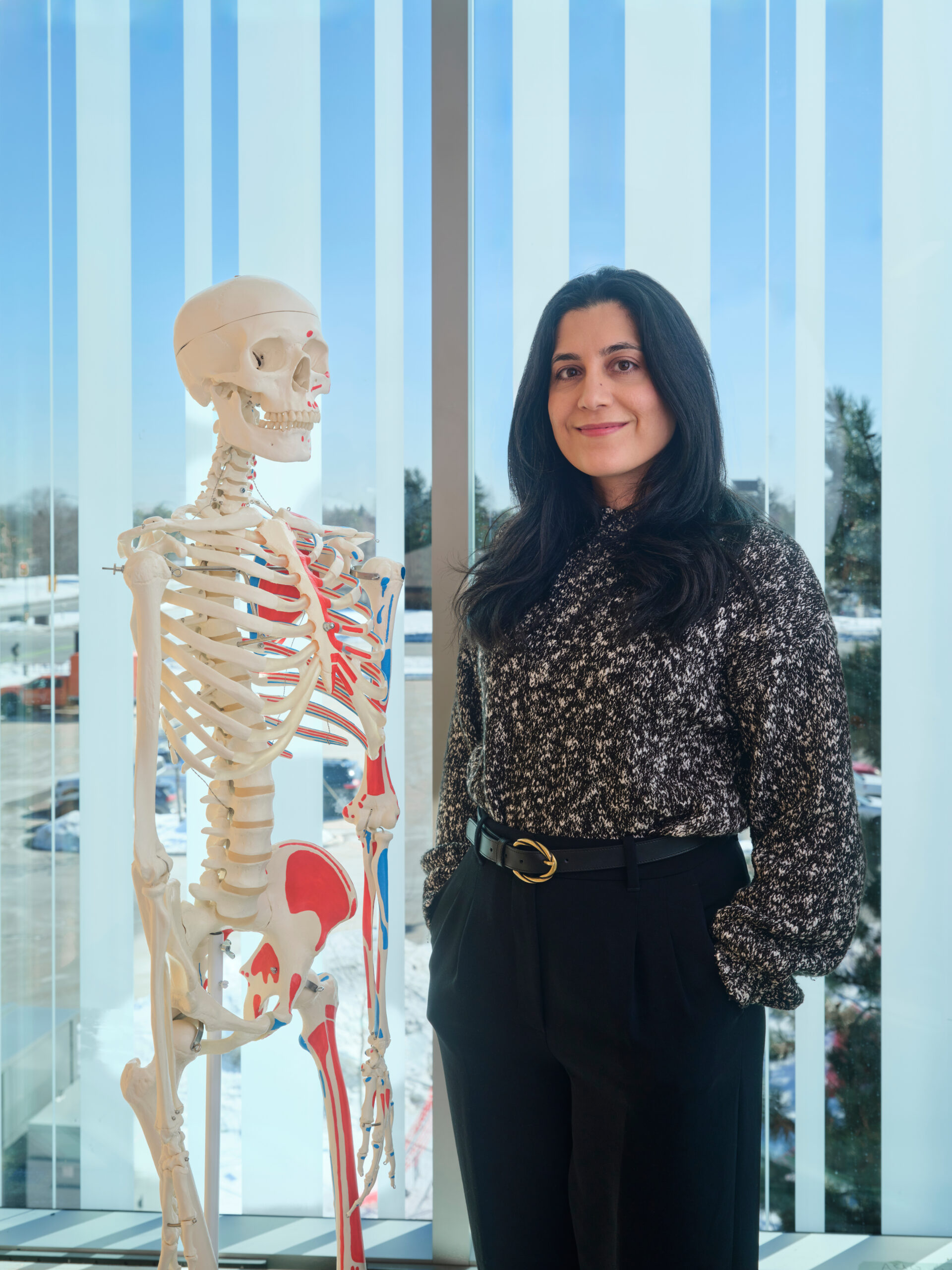
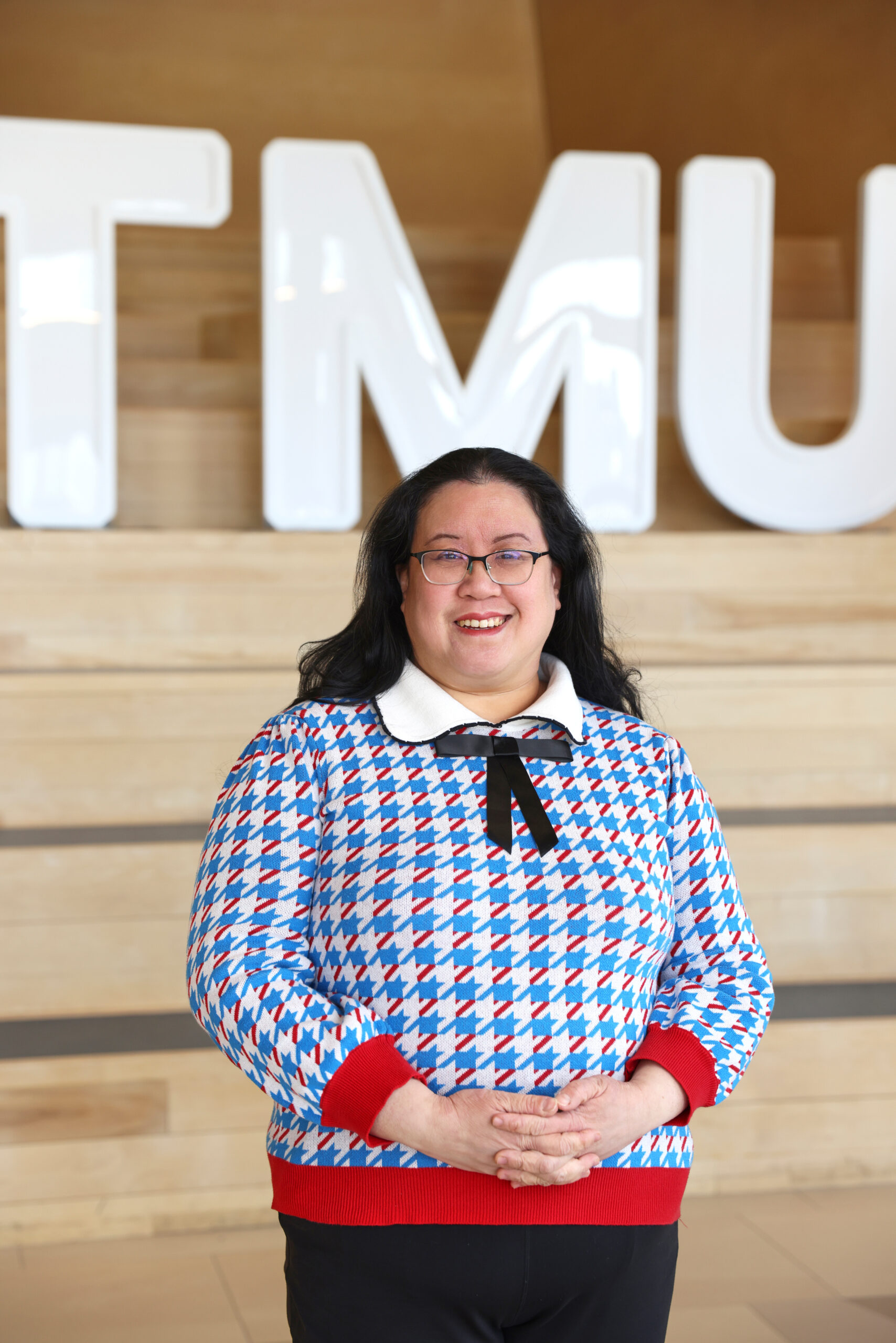
Health systems science (HSS) is primarily focused on healthcare delivery systems, but it also encompasses the broader societal factors that influence health outcomes. Dr. Mehry Kianfar is helping to train physician system thinkers and leaders. Photo: Harry Choi